Edge of Memories Alchemy Guide
Craft potions at campsites, equip kits before hard stretches, and rest to combine duplicate stacks.
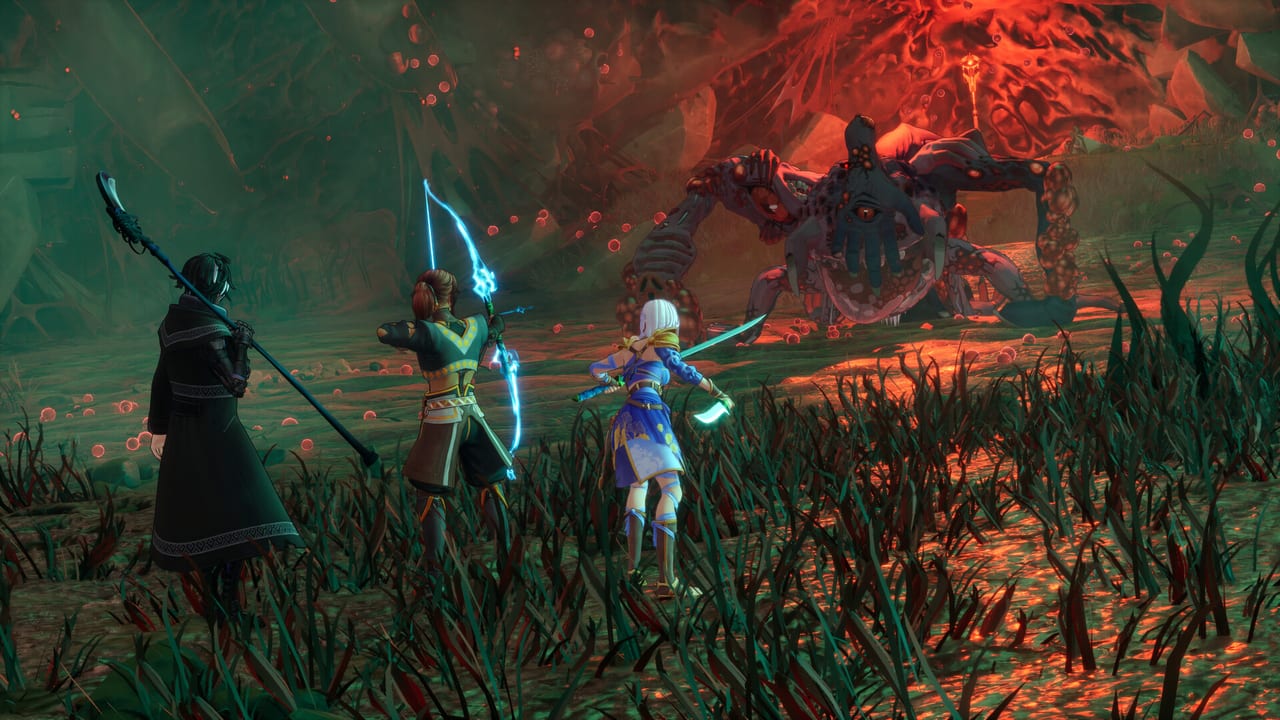
Alchemy is the quiet backbone of survival in Edge of Memories. While light and heavy combos win individual trades, campsite crafting keeps Eline and her companions alive across the continent of Avaris, where the Corrosion plague turns exploration into a resource puzzle as much as a combat test. This guide focuses on workflow: gathering reagents while you explore, turning them into potions at campsites, equipping the right kit before a tough stretch, and using rest as inventory hygiene—especially after the November 2026 Steam demo update that made duplicate potions combine when you rest.
Edge of Memories is a single-player action RPG from Midgar Studio, published by Nacon. Standard launch is December 3, 2026, with Deluxe console early access on December 1. The free Steam demo covers Act 1 on the Estfalian Coast, which is where most players first meet alchemy. Pair this page with Getting Started for day-one framing, the Combat Guide for when to drink under pressure, Controls if potion binds feel awkward, and the Demo Walkthrough to place camps on the Act 1 route. Cast context for Eline, Ysoris, and Kanta lives on the Players Hub. Demo patch notes sit under Demo Updates.
What alchemy does in practice
At a campsite you convert ingredients gathered in the field into potions. The design intent is straightforward: exploration funds recovery and fight readiness. You are not meant to ignore every breakable rock and still walk into a scripted arena at full strength. Reagents are scattered along main paths and, more importantly, on side ledges, behind burnable obstacles, and inside breakable clusters. When companion elemental tools open a blocked route, treat that as both traversal and alchemy logistics—new ground usually means new materials.
Do not invent a fixed recipe book in your head from trailers alone. Public coverage emphasizes the campsite loop and kit management more than a published ingredient table. Until Midgar and Nacon document exact formulas, play the system as a craft → equip → rest → explore cycle rather than chasing a mythical optimal brew list.
The campsite loop
A clean campsite visit looks like this:
- Dump what you found. Open alchemy with the reagents you picked up since the last rest.
- Craft what you actually need. Favor kits that cover the next stretch—recovery for attrition routes, or whatever mix you already trust from recent fights—rather than crafting every possible bottle just to empty bags.
- Equip the kit you intend to use. Crafting without equipping is a common early mistake. Confirm the loadout before you leave the camp UI.
- Rest. Resting recovers you and, in the updated demo, merges duplicate potion stacks so inventory stays readable.
- Leave with a plan. Know whether the next marker is open exploration or a likely scripted fight, and keep potion muscle memory warm.
Repeat that loop whenever you change zones, finish a dense pack, or notice your bag filling with identical bottles. Alchemy is maintenance, not a once-per-chapter side activity.
November 2026 rest-combine QoL
When the Steam demo returned in November 2026, Nacon kept the same Act 1 content but shipped quality upgrades. One of the clearest alchemy changes: potions combine when you rest, so duplicate stacks merge instead of flooding your inventory. That single habit shift matters more than it sounds. Pre-update runs could leave you staring at many near-identical bottles; post-update runs reward resting as cleanup as well as healing.
Practical takeaway: if your bag looks noisy, do not hoard identical potions hoping a later menu will sort them. Find a campsite, rest, and let the merge happen. Then craft only what fills real gaps. Details of the wider demo return—combat feedback, remapping, motion blur toggle, and more—are summarized on Demo Updates and applied step-by-step in the Demo Walkthrough.
Equip kits before tough stretches
Alchemy fails most often between the campfire and the arena. Players craft, forget to equip, or walk into a boss hallway at half resources. Build a hard rule: before any stretch that looks scripted—narrow approach, cutscene gate, obvious arena floor—rest with a kit already equipped. Walking into a teaching boss at low resources is a self-inflicted wipe, not a difficulty spike.
In combat, potions are reset tools, not panic mash. After a bad trade or a failed Black Beast window, create space, drink if needed, then re-establish dodge rhythm. The Combat Guide covers that loop; alchemy supplies the consumable half. If the drink input feels slow, remap it in the updated demo’s controller options—see Controls.
Gathering reagents while exploring
On the Estfalian Coast and beyond, treat the environment as your supply chain:
- Breakables often hide reagents or other pickups. Clear them when the fight is over, not mid-telegraph.
- Burnable obstacles and similar elemental interactions open side paths; those paths exist partly to feed alchemy.
- Short detours off the objective marker are usually worth thirty seconds. Act 1 is short; competence beats speedrunning past every sparkle.
- Companion skills that open routes are dual-purpose: they teach exploration literacy and keep potion production sustainable without relying on random combat drops alone.
If you finish a zone with an empty reagent pocket, you probably skipped optional interactions. Circle once before the next story push.
Inventory habits that scale to launch
Because Edge of Memories is single-player, your inventory discipline is entirely yours—no co-op partner will top you up. Habits that travel from demo to December launch:
- Rest on zone changes and after elite packs, not only when you are nearly dead.
- Equip first, craft second only if the equipped kit is incomplete.
- Let rest-combine tidy duplicates before you craft more of the same type.
- Keep potion use in the same mental checklist as dodge and ally skills: light, heavy, evade, skill, drink, reset.
- Screenshot or note any kit preference that carried a boss; you will want the same readiness on December 3 (or December 1 Deluxe console early access).
Practice plan for Act 1
- Reach the first campsite and craft anything the tutorial allows, then verify the kit is equipped.
- Clear one coastal pack, return, rest, and confirm duplicate stacks merge after the November update behavior.
- Spend ten minutes peeling for breakables and burnable side paths; craft again from what you found.
- Before the demo’s major boss approach, rest with a full kit and refuse to enter under-prepared.
- After the Black Beast teaching climax, rest again—story intensity is not a reason to skip inventory hygiene.
When those five drills feel automatic, alchemy stops being a menu chore and becomes part of how you move through Avaris. Return to the Guides Hub for the wider map, deepen fight timing in the Combat Guide, and keep an eye on Demo Updates if publisher notes refine crafting further before launch.
Frequently Asked Questions
Quick answers for Edge of Memories players.
Where do I craft potions in Edge of Memories?
At campsites. Gather reagents while exploring, then use campsite alchemy to craft potions and equip a kit before you leave.
What changed for alchemy in the November 2026 demo update?
Duplicate potions combine when you rest, so stacks merge instead of cluttering your inventory. It is a major quality-of-life change in the returned Act 1 demo.
When should I rest and use alchemy?
Rest when you change zones, after tough packs, and always before scripted or boss-looking stretches. Craft and equip your kit first, then rest so duplicates can merge.
Where do reagents come from?
From exploration: breakables, burnable obstacles, side paths, and other optional interactions off the main marker—not from ignoring the environment and hoping combat drops alone sustain you.
Are specific potion recipes listed in this guide?
No. Public materials emphasize campsite workflow and kit management rather than a full published recipe table, so this page stays on habits you can verify in the demo and at launch.